By Mike Fake · October 2026 · 6 min read
Here's a conversation I have about once a week. A business owner sits down with me, maybe a contractor in Vista, a real estate agent in Carlsbad, or a dentist with a practice in Encinitas. Business is good. Money is coming in. And their bank just told them they don't qualify for a mortgage.
The culprit is usually the tax return. A good CPA writes off everything they legally can, which is great in April and terrible when a lender looks at your "income." On paper you made $70,000. In reality, you've got $40,000 a month flowing through your business account.
That's exactly the gap a bank statement loan is designed to close.
What is a bank statement loan?
A bank statement loan is a mortgage that qualifies you based on the deposits in your bank accounts instead of the income on your tax returns. It falls into a category called non-QM (non-qualified mortgage), which just means it lives outside the standard Fannie Mae and Freddie Mac rulebook. It's still a real, regulated mortgage. It simply uses a different way of proving you can afford the payment.
How lenders calculate your income
Instead of W-2s and tax returns, the lender reviews 12 or 24 months of bank statements, either personal or business, and averages your deposits. Then:
- Personal statements: deposits are generally counted at or near 100%, since the money has already been paid out of the business to you.
- Business statements: the lender applies an "expense factor" to account for business costs. A common default is 50%, but if your CPA documents that your real expenses are lower, many lenders will use that lower number.
Quick example: if your business account averages $30,000 a month in deposits and the lender uses a 50% expense factor, your qualifying income is about $15,000 a month. Show that your actual expenses run closer to 25%, and you may qualify on roughly $22,500 a month. Same business, very different buying power. That's why the details matter.
Who bank statement loans are a good fit for
- Business owners and 1099 contractors who take legitimate write-offs
- Real estate agents, consultants, and commissioned salespeople
- Medical and dental practice owners
- Gig and creative professionals with strong but irregular income
- Anyone whose taxes understate what they actually earn
What to expect (the honest part)
Every lender sets its own guidelines, but here's what's typical:
- Down payment: often 10% or more, with better pricing as you put more down.
- Credit: many programs start around a 620 score, with the best terms reserved for higher scores.
- Time in business: usually two years self-employed, sometimes less if you've been in the same line of work.
- Reserves: expect to show a few months of mortgage payments in savings after closing.
- Rate: usually somewhat higher than a conventional loan. You're paying a bit for flexibility.
That last point is why I always run both options. If a conventional loan works, even with some creative structuring, I'll tell you. If it doesn't, a bank statement loan can get you into the home now, and you can refinance later if your tax picture changes.
Why the broker matters on this one
Bank statement programs vary a lot from lender to lender: different expense factors, different rules on mixed personal and business accounts, different pricing. As an independent broker, I can shop your file across multiple non-QM lenders instead of forcing it into one bank's box. That's often the difference between "you don't qualify" and "here are your keys."
"I had some obstacles to financing my investment property… Hurdles kept popping up and Mike and his crew saw me through them all."James B., Zillow review · Read more client reviews
Getting started
Grab your last 12 to 24 months of bank statements and a rough idea of your business expenses, and give me a call. I'll run the numbers both ways, conventional and bank statement, so you can see exactly where you stand before you fall in love with a house.
Quick Answers
Can I get a mortgage in San Diego if I'm self-employed?
Yes. Self-employed borrowers can qualify with a conventional loan using tax returns, or with a bank statement loan that uses 12 to 24 months of bank deposits instead. Mike Fake, an Encinitas mortgage broker (NMLS #125241), helps self-employed buyers compare both options.
How many months of bank statements do I need for a bank statement loan?
Most bank statement loan programs use either 12 or 24 months of personal or business bank statements to calculate your qualifying income.
Are bank statement loan rates higher than conventional rates?
Usually somewhat higher, because the loan falls outside standard Fannie Mae and Freddie Mac guidelines. Pricing improves with a larger down payment and stronger credit, and many borrowers refinance into a conventional loan later.
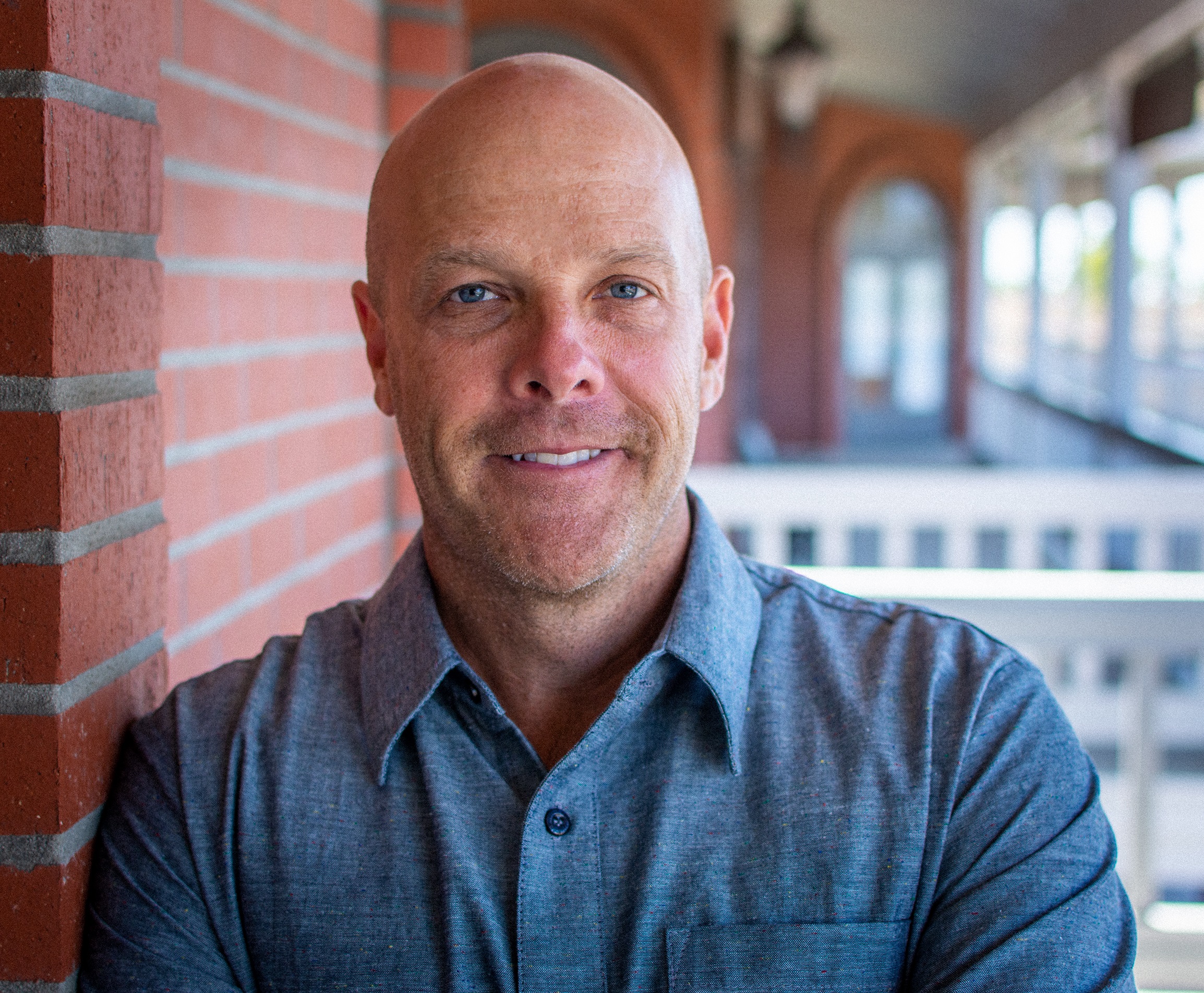
Mike Fake is a licensed mortgage broker (NMLS #125241) in Encinitas, CA, with 20+ years helping North County San Diego families buy, refinance, and plan for retirement. 5.0 stars from 107 client reviews.
See What You Qualify For
I’ll run your numbers both ways, conventional and bank statement, so you know where you stand.
Run My Numbers FreeThis article is general information, not a commitment to lend. Loan programs, terms, and guidelines vary by lender and change over time. All loans subject to credit approval. Mike Fake, NMLS #125241, Arbor Financial Group.